


How We Safely Introduce Raw Bones to Your Dog with Barkleys
How We Safely Introduce Raw Bones to Your Dog with Barkleys
Our first raw bone moment was pure comedy. We set down a Barkleys single-ingredient beef marrow bones, and our pup did zoomies, tap danced, then parked for the happiest chew of his life.
That joy is more than a cute photo. Raw bones for dogs fit a healthy dog diet because they satisfy natural chewing, support teeth, and add real nutrients. With Barkleys raw dog food and Barkleys treats, we keep it simple, clean, and species-appropriate.
We want safe, not stressful. We stick to bones sized for the dog, we supervise, and we keep sessions short at first. We start with sturdy marrow bones for dogs, not fragile cooked bones. Bold rule to remember: Always raw, never cooked—key safety precautions for raw feeding.
Chewing has perks we can see and smell. Scraping action helps reduce plaque, gums get a light workout, and dogs relax after the chew. It is enrichment and hygiene in one happy routine.
We will share easy steps for safe raw dog feeding, from picking the right bone to what to do after the chew. We will cover when to offer it, how long to let them gnaw, and how to store leftovers. Expect clear guidance you can use today.
For complete nutrition around chew time, we pair bones with Barkleys raw bowls. Balanced meals plus a supervised bone equals smarter Barkleys dog nutrition. It is Barkleys pet food made practical.
If you are new to raw dog food, you are in the right place. We will keep it clear, quick, and dog approved. Let’s get those tails wagging, safely.
Why Add Raw Bones to Your Dog's Healthy Diet?
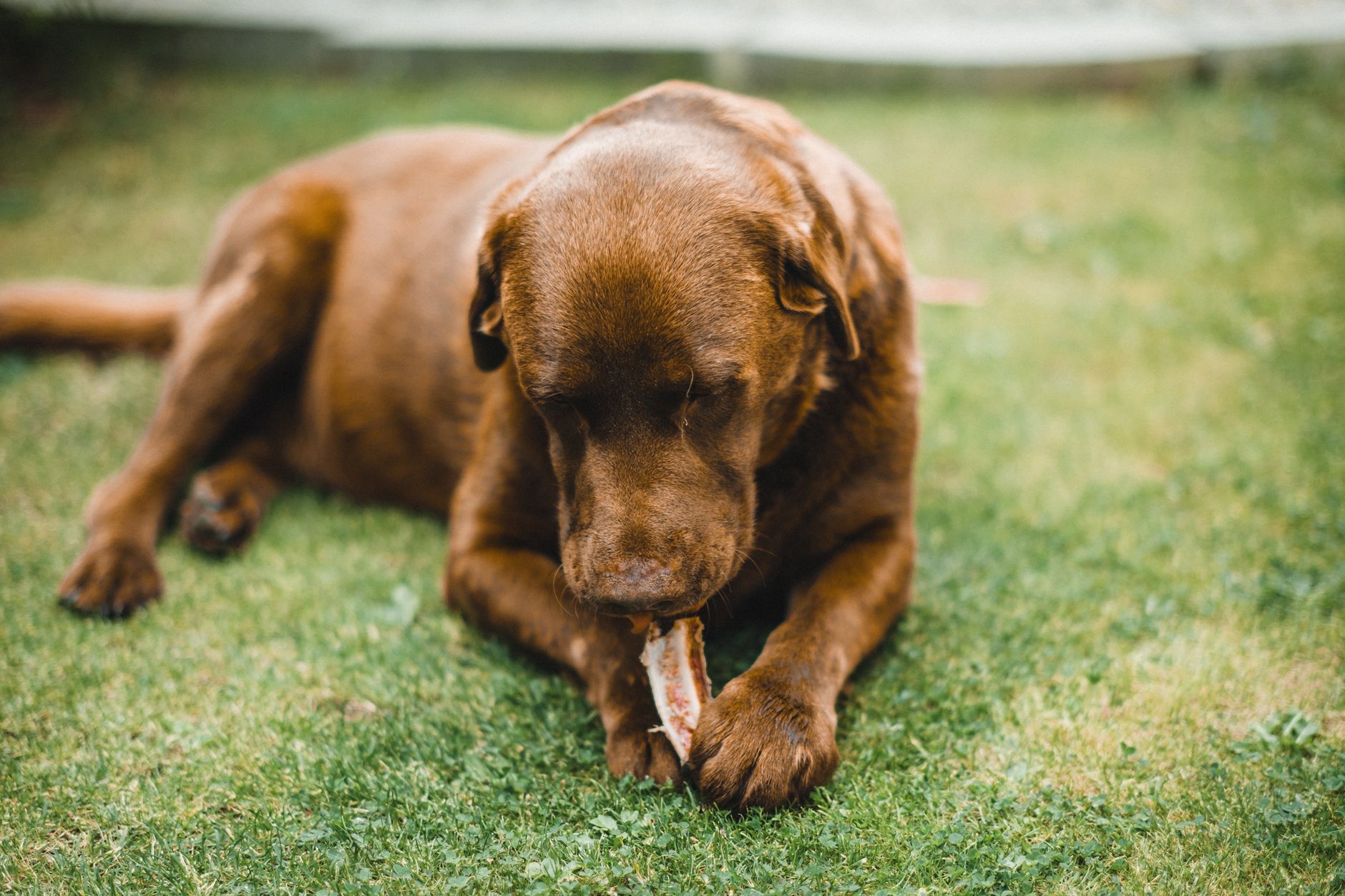 Photo by Mathias Reding
Raw bones give dogs something they crave, a real chew with real benefits. We use these dog bones alongside Barkleys raw bowls and balanced meals to support a healthy dog diet without turning snack time into guesswork. Think of it as toothbrush, stress ball, and mineral boost in one happy package.
Benefits of Raw Bones for Dental and Overall Health
We love wins you can see. Raw meaty bones (RMBs) help clean teeth through natural scraping. That gentle grind knocks down plaque and tartar so breath smells fresher and gums feel better. A controlled chew routine works like a daily polish for dental health. Researchers even found that chewing raw beef bones reduced dental calculus in dogs, which supports what we see at home. Take a look at this summary of the evidence on raw bones reducing dental calculus.
There is more under the hood. Marrow and raw bone tissue carry calcium and phosphorus, and collagen, the building blocks that support bones and joints. That means stronger structure for pups that sprint, zoom, and leap. We pair bone days with Barkleys raw dog food for complete macro balance, then let the minerals from the chew round out the micro side of Barkleys dog nutrition.
Chewing also flips the chill switch. A steady, focused gnaw lowers stress and can curb boredom chewing on shoes. It is mental stimulation with a tasty reward at the end. Your dog’s smile will shine brighter than our Modesto sun.
- Cleaner teeth: Natural scraping action helps reduce plaque and tartar.
- Mineral support: Calcium and phosphorus back up skeletal health.
- Happy brain: Chewing time calms nerves and redirects energy.
We stick to premium, single-ingredient options that fit a natural dog food routine. Barkleys pet food focuses on clean, hormone-free sourcing, so we can match raw bones with Barkleys treats and balanced bowls without second guessing ingredients.
Common Risks and How to Dodge Them
We keep the fun, skip the trouble. The biggest risks come from cooked bones that cause bone splintering, pieces that are too small, or overzealous chewing that wears teeth. A raw meaty bone is the safer lane, as long as we choose the right size, supervise, and limit sessions. Even with raw, choking or blockages can happen if a dog gulps chunks, so we watch closely and take the bone away if pieces get small.
A quick checklist keeps it smooth:
- Pick raw meaty bones sized larger than your dog’s mouth.
- Offer short chew sessions, then refrigerate the bone.
- Supervise the whole time, no couch breaks.
- Skip cooked bones, ever.
- For dogs with dental issues, pancreatitis, or food sensitivities, talk to your vet first.
Raw feeding still needs food safety. Store in the fridge or freezer, thaw properly, and wash hands and bowls after use. For context on risks and safe handling practices, this guide on whether dogs can eat bones outlines common pitfalls and how to avoid them.
When switching from kibble to raw, we take it slow. Barkleys raw dog food transition tips are simple: start small, monitor stool, and space bone days so digestion stays happy. We like to anchor bone time to a fed stomach, not an empty one, and we always match chew days with balanced Barkleys raw bowls for steady nutrition. Do not let a bone party turn into a vet visit surprise. Prevention makes safe raw dog feeding easy.
Choosing the Best Raw Bones for Your Dog's Size and Needs
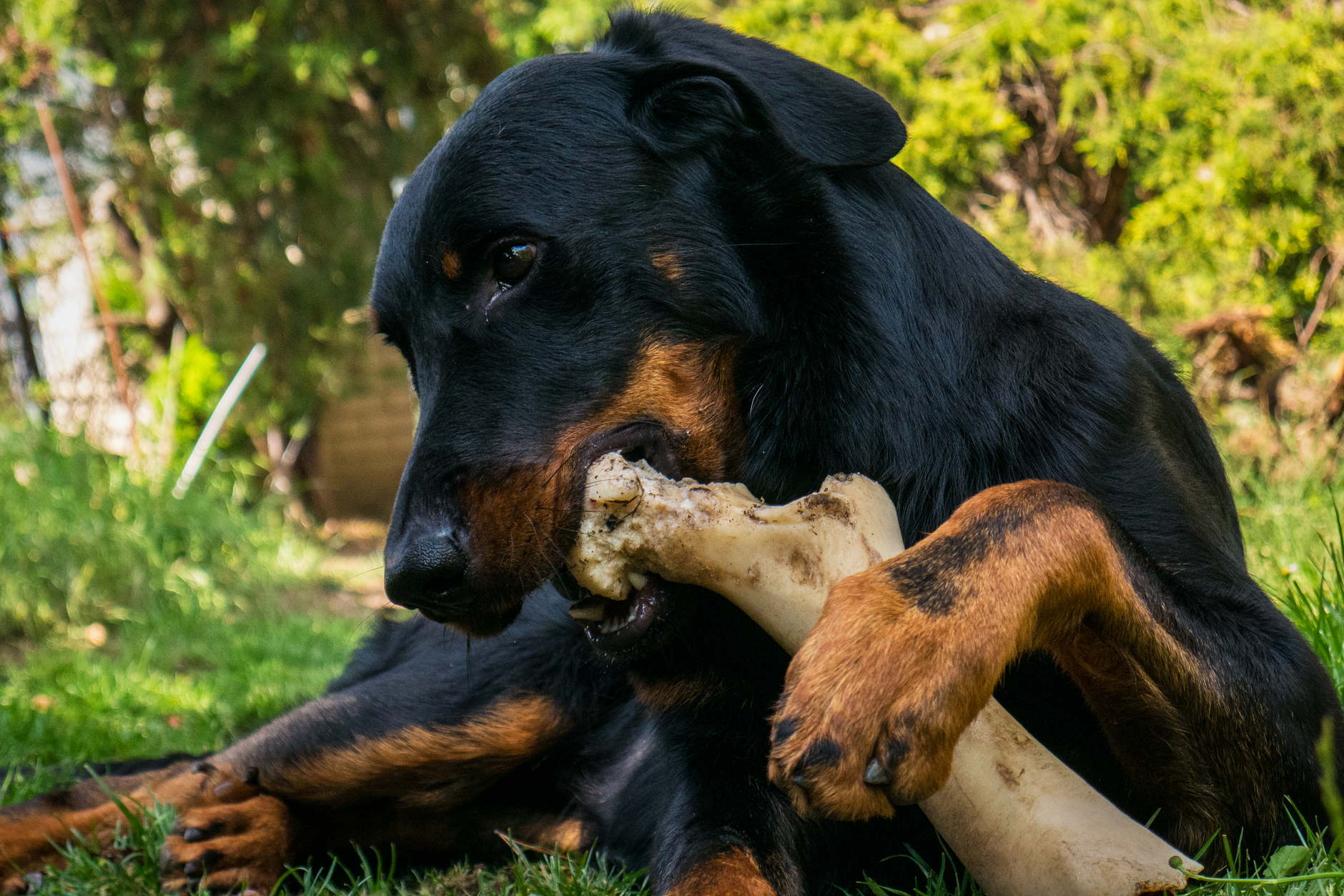 Photo by Alisa Savickaja
Raw bones for dogs should fit your dog like a good pair of shoes. Size, density, and shape matter for safety and joy. We stick with Barkleys single-ingredient options for clean sourcing and simple labels that support Barkleys dog nutrition. These are not just sticks; they are nutrient-packed adventures. We keep it raw, supervise every chew, and skip cooked or smoked bones that splinter.
Types of Safe Raw Bones to Start With
Choosing a first bone is easier when we sort by size and chew style. Here are our go-to raw meaty bones (RMBs), plus where they fit in your routine. For more background on raw bone safety and density, this guide on raw meaty bones explains why poultry bones and lamb are friendlier starters than dense beef weight-bearing bones.
- Chicken necks, wings, feet, backs, small or gentle chewers
These soft, edible bones are great for small dogs or beginners. The shape invites slow gnawing, not frantic crunching, and the cartilage offers a nice joint-support bonus. We serve them raw only and hold one end for the first few tries to dial down gulping. If your dog is a speed eater, start after a meal so hunger does not fuel big bites. We pair neck days with Barkleys raw bowls for a balanced base, then let the chew add enrichment. Tip we love: freeze slightly for a cleaner, longer session. Reference a broad overview of safe starter options with this guide on raw bones for dogs. - Duck necks or turkey necks, medium dogs or confident chewers
Longer and meatier than chicken, these build jaw stamina without the rock-hard feel of beef shanks. The size helps prevent gulping, and the texture rewards steady chewing. We like them for adolescent pups graduating from chicken. Always supervise and take it away if your dog tries to snap and swallow large segments. Keep portions reasonable, then round out the day with Barkleys raw dog food for complete nutrition and steady digestion. - Meaty lamb bones, flavor plus floss
Meaty lamb bones are thin, flexible, and rich in soft tissue that helps clean teeth. They are ideal for medium dogs and careful chewers who enjoy slow work. The curve helps keep the bone outside the back molars, which adds safety. We skip shards or dried edges, store leftovers cold, and avoid feeding when dogs are overly amped. Pair with Barkleys treats as a high-value reward before or after the chew to keep focus on you. - Beef knuckles or marrow bones, large dogs under close watch
Dense and durable recreational bones like knuckle bones and canoe-cut marrow bones offer a serious chew for big breeds. We pick pieces larger than the dog’s muzzle so they cannot swallow them whole. Short sessions protect teeth, and we rotate with softer days to avoid overuse and manage bone content. Avoid weight-bearing shafts from large animals that can be too hard and may crack teeth. Barkleys single-ingredient marrow bones for dogs keep sourcing clean and the experience simple. For a broader primer on safe bone types and sizes, check out this overview of raw bones for dogs.
Key reminders we keep on repeat:
- Always raw, never cooked or smoked.
- Skip weight-bearing shafts that are too hard or splinter.
- Supervise and size up to prevent swallowing.
- Store cold and serve in short, happy sessions.
Sizing Up Bones: Match to Your Dog's Breed and Age
No one-size-fits-all here; tailor it to your tail-wagger. Puppies, adults, and seniors need different textures and sizes, especially when moving from kibble to raw. We plan chew time around meals, then use Barkleys raw bowls to give complete nutrition while the bone brings enrichment.
- Puppies, soft and simple
We start with softer, edible poultry bones like chicken necks or small wings for teething puppies. Hold one end at first to slow them down. Keep sessions short to protect baby teeth. If you are moving from kibble, space bone days and watch stool as you add Barkleys raw dog food into the routine. A gentle ramp prevents tummy drama and teaches good chewing habits. - Adults, confident and controlled
Medium to large adults do well with duck necks, turkey necks, meaty lamb bones, or recreational bones sized larger than the muzzle. We judge by chew style, not just weight. Power chewer with a grab-and-gulp habit? Choose bigger, rounder shapes like knuckles and limit time to strengthen the jaw without excess wear. Balanced meals from Barkleys dog food anchor the day so bone time is focused on chewing, not calories. - Seniors, firm yet forgiving
Seniors tend to do best with firm, rounded bones that do not splinter. Knuckles or soft-edged lamb bones work well for dogs with decent teeth. If teeth are worn or sensitive, switch to gentler options or shorten sessions. We avoid extra-hard weight-bearing shafts and keep hydration high. Add Barkleys treats as training breaks so they rest between bouts.
Simple fit checks we use before serving:
- The bone is larger than the dog’s muzzle.
- The shape slows chewing, it does not invite snapping.
- The texture matches their age and tooth strength.
- The meal plan includes Barkleys raw bowls for daily balance.
For added context on matching bone size and hardness to your dog’s life stage, this primer on what raw bones are best for dogs is a helpful reference.
We keep the focus on clean, single-ingredient choices. With Barkleys pet food, Barkleys raw dog food, and Barkleys treats, your dog gets a healthy dog diet that is simple, safe, and actually fun to chew.
Step-by-Step: Safely Introducing Raw Bones to Your Dog
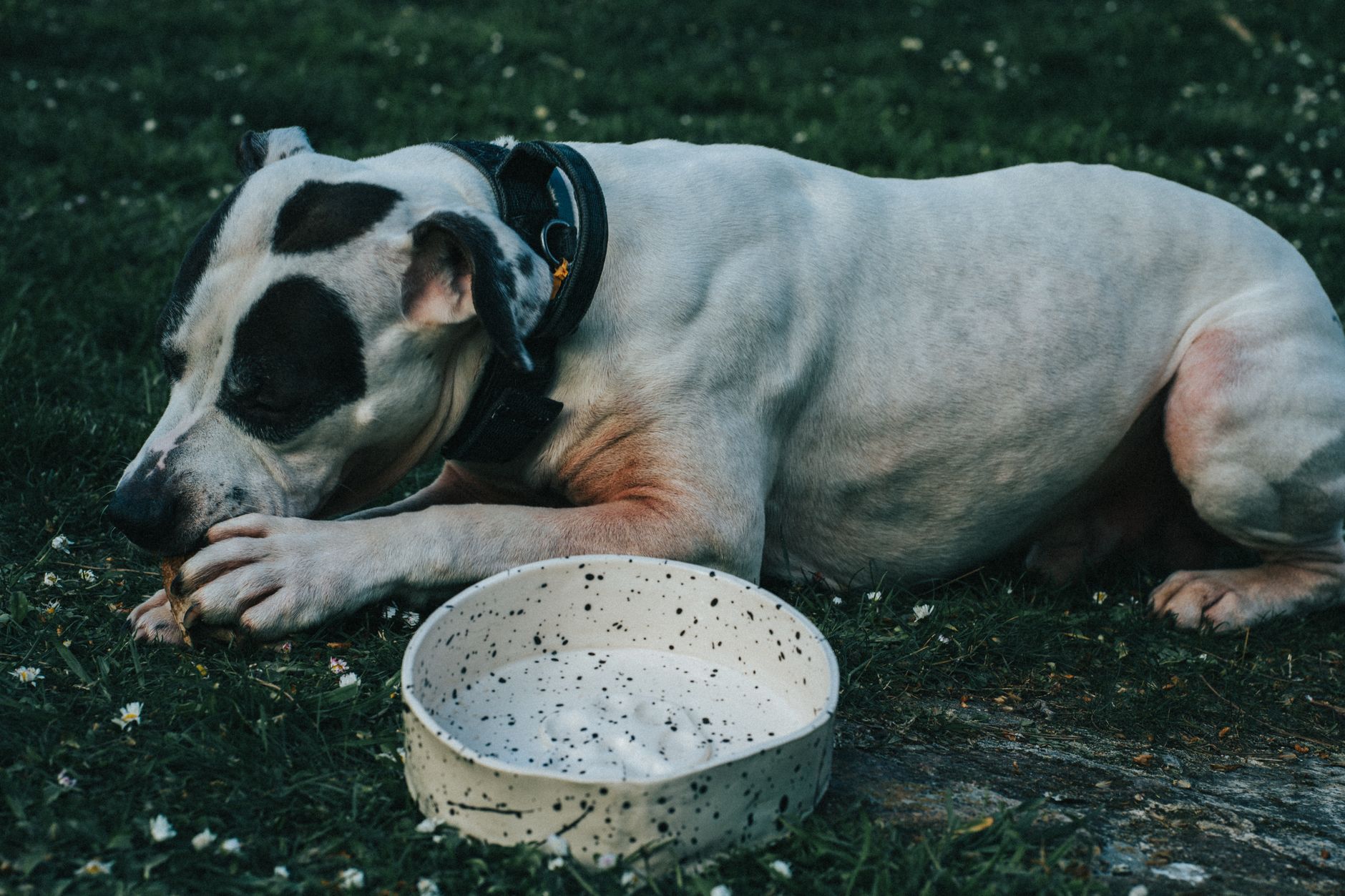 Photo by Alex Hoces
Dog bones can be a healthy part of a natural dog food routine when we go slow, size bones right, and set up smart habits. We pair chew days with Barkleys raw bowls so nutrition stays balanced while our dog gets enrichment. Think of it like a training plan for safe raw dog feeding with a tasty trophy at the end.
Preparing Your Dog Before the First Bone
We start after our dog has adjusted to raw feeding with Barkleys raw dog food with steady stools and good energy. A stable gut helps them handle the extra richness from meaty beef bones without drama.
- Health check first: Ask your vet about dental history, pancreatitis risk, and any food sensitivities. A quick chat sets a safe baseline.
- Pick the right starter: Choose raw meaty bones (RMBs) larger than your dog’s muzzle. Avoid cooked bones and rawhide dangers, ever.
- Start small: Offer 5 to 10 minute chew sessions for the first few tries. Refrigerate between sessions and replace after a day or two if it looks worn or splintery.
- Feed with a base: Give bones after a Barkleys raw bowl so hunger does not push gulping. Balanced meals keep Barkleys dog nutrition on point.
- Set the stage: Use a washable mat or go outside. Keep fresh water nearby.
Quirky truth we live by: build up like training for a chew championship. Short practice, clean form, and plenty of praise.
Supervision Tips for Worry-Free Chewing Sessions
We stay within arm’s reach the whole time. Be the watchful coach in this bone game, not a spectator, while following key safety precautions.
- Eyes on, always: Watch for frantic chewing, hard chomps, or attempts to swallow large pieces. This quick guide on how to safely supervise bone time lays out what to look for.
- Pull it when the meat is gone: Once the tasty bits are stripped, interest spikes and risk can climb. Take it away while the win is still fresh.
- Keep portions in check: Cap bones at about 10 percent of the daily diet. We let Barkleys dog food and Barkleys raw bowls handle the core nutrition, then use bones for enrichment.
- Clean handling: Chew outside if possible. Toss soiled grass, wash paws if needed, and sanitize bowls and surfaces.
- Watch for signs: Upset tummy, loose stool, vomiting, tooth pain, or frantic chewing means pause and reassess size or frequency.
- Easy access: Need a fresh supply fast? Search “Barkleys near me” to find local options and keep chew days consistent alongside Barkleys treats.
Short, happy sessions win. We wrap while the tail is still wagging.
Monitoring Progress and Adjusting as Needed
Feedback comes from your dog’s body. We read it, then fine-tune.
- Stool check: Chalky or hard stool points to too much bone content. Soften by reducing frequency or switching to a softer option like lamb ribs. Loose stool suggests shorter sessions or a meatier cut.
- Energy and mood: Post-chew calm is the goal. If they seem wired or cranky, shorten time or try a different bone shape that slows chewing.
- Tweak size and frequency: Scale up or down based on chew style. Power muncher with strong jaws, choose rounder knuckles and tighter time caps. Gentle grazer, try longer necks that encourage slow work.
- Rotate for variety: Mix bone days with Barkleys treats and balanced Barkleys raw bowls so the healthy dog diet stays complete and fun.
- Store and handle like pros: Keep bones chilled between sessions and follow smart food safety steps. If you are searching for details, look up “how to store raw dog food safely” and stick with clean, cold, and sealed.
Tune into your dog’s happy vibes. When stool is steady, teeth look cleaner, and chew time ends on a calm note, we know our plan is working. With Barkleys pet food as the base, plus single ingredient dog treats for training breaks, we keep every chew session safe, simple, and satisfying—especially when opting for edible bones that suit their needs.
Conclusion
We kept it simple, safe, and joyful. Start with raw bones for dogs sized above the muzzle, keep sessions short, supervise from start to finish, and store leftovers cold. Rotate softer starters with sturdier recreational bones, watch stool and chewing style, and pair bone time with Barkleys raw bowls so Barkleys dog nutrition stays balanced. That is safe raw dog feeding with benefits you can see, fresher breath, calmer energy, and a wag that does not quit.
We stand behind family-owned Barkleys pet food, clean sourcing, single-ingredient options, and marrow bones for dogs that fit a healthy dog diet. Barkleys raw dog food and Barkleys treats make the routine easy, from training moments to chew breaks, all while keeping natural dog food standards high. Ready to stock up? Shop Barkleys dog food online or use the store locator to find where to buy Barkleys dog food, including select Kroger locations. Search Barkleys near me, then grab healthy dog treats and raw bowls for dogs to round out your plan.
Here’s to healthier, happier chews ahead!
